 USD $
USD $ EUR €
EUR € HKD HK$




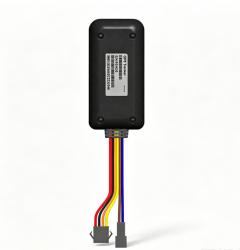

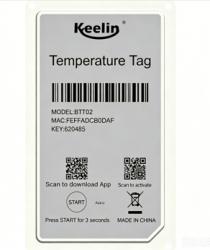
Shanghai Intelligent IoT Connectivity: Shanghai scales 5G/5G-A, 200M IoT links and smart sensing for a mega-city intelligence system hub.
A New Stage for Smart City Infrastructure
Shanghai Intelligent IoT Connectivity is becoming a defining framework for Shanghai’s next phase of urban digital transformation. With the release of the 2026–2028 action plan for IoT and sensing infrastructure, Shanghai has set clear and measurable goals. The city plans to build a stronger communications foundation, expand sensing coverage, and improve intelligent coordination across urban systems.

This shift matters for governments, telecom operators, and IoT solution providers. It also matters for enterprises that depend on stable connectivity, real-time monitoring, and data-driven operations. In other words, this is not only a telecom upgrade. It is a city-scale intelligence upgrade.
Moreover, the plan signals a move from isolated digital projects to a unified urban capability system. Shanghai aims to connect devices, collect data, and support faster decisions. As a result, the city can improve efficiency, resilience, and service quality across many sectors.
Why the New Targets Matter
The plan sets three headline targets for 2028: 130,000 5G base stations, 80,000 5G-A base stations, and more than 200 million IoT terminal connections. At first glance, these are infrastructure numbers. However, they represent something deeper: a blueprint for building the “nervous system” of a mega-city.
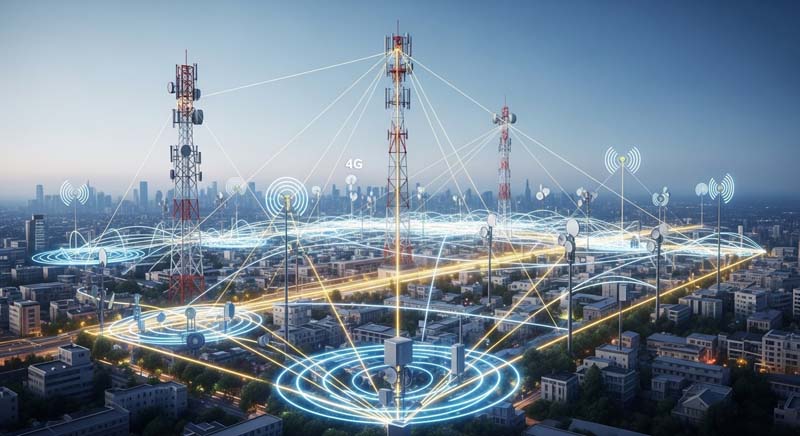
A large number of 5G base stations supports broad coverage and high capacity. This gives the city a stronger network layer for dense urban environments. In addition, 5G-A deployment at scale shows that Shanghai wants more than incremental improvement. It wants enhanced performance for next-generation IoT and real-time applications.
The target of over 200 million IoT terminal connections is equally important. It shows a clear focus on machine connectivity, environmental sensing, and infrastructure visibility. Therefore, the city is not only connecting people. It is also connecting roads, utilities, vehicles, facilities, and industrial assets.
This is the strategic value of Shanghai Intelligent IoT Connectivity. It converts network investment into a foundation for better urban management and smarter business operations.
From Coverage to Capability: The Core Technical Path
Shanghai’s approach is notable because it balances ambition with practicality. The plan emphasizes coordinated 4G and 5G coverage, while also scaling 5G-A and exploring 6G. This layered strategy supports current needs and future growth at the same time.
4G and 5G Coordination Supports Real-World Deployment
Many existing IoT devices still rely on mature 4G ecosystems. These devices often have strict cost and power requirements. For that reason, a full and immediate migration to newer standards is not always ideal.
Instead, Shanghai is promoting a coordinated 4G/5G model. This approach protects existing investments and lowers upgrade pressure for enterprises. Meanwhile, it allows new deployments to use stronger 5G capabilities where needed. As a result, the city can expand digital infrastructure more smoothly and more efficiently.
This practical design strengthens Shanghai Intelligent IoT Connectivity because it supports both legacy systems and future-ready applications.
5G-A Becomes a Key Growth Engine
The large-scale deployment of 5G-A is one of the most significant signals in the plan. 5G-A can improve network performance in several critical dimensions, including latency, reliability, and connection efficiency. These improvements matter for complex urban and industrial scenarios.
For example, dense sensing environments require stable uplink performance and fast response times. Smart transportation systems need reliable communication between devices and platforms. Industrial sites need predictable connectivity for monitoring and control. Therefore, 5G-A can accelerate the move from basic connectivity to operational intelligence.
In this context, Shanghai Intelligent IoT Connectivity is not just about faster networks. It is about creating a more responsive digital infrastructure for city-scale coordination.
6G Exploration Creates Strategic Optionality
The plan also mentions forward-looking exploration of 6G. This does not mean immediate commercial rollout. Instead, it reflects strategic preparation in standards, testing, and ecosystem coordination.
Cities that prepare early can shape future applications and attract innovation resources. In addition, early experimentation helps align policy, infrastructure planning, and industry collaboration. Therefore, this element strengthens Shanghai’s long-term competitiveness in smart city development.
What a Mega-Scale Urban Intelligence System Really Means
A “mega-scale urban intelligence system” sounds ambitious, but its logic is clear. The city must first sense what is happening. Then, it must transmit that information reliably. Next, it must analyze the data quickly. Finally, it must turn insights into coordinated action.

This process can be understood in four layers:
1) Sensing Layer: Seeing the City in Real Time
Sensors, meters, cameras, terminals, and connected equipment collect data from roads, facilities, utilities, vehicles, and industrial environments. These devices act as the city’s digital touchpoints.
2) Connectivity Layer: Moving Data Reliably
Coordinated 4G/5G coverage and large-scale 5G-A networks carry data from the edge to platforms. This layer ensures continuity, scale, and speed.
3) Platform and Intelligence Layer: Turning Data into Insight
Cloud platforms, edge computing, and analytics engines process data and support decision models. As a result, operators can detect issues earlier and respond faster.
4) Application and Governance Layer: Closing the Loop
Urban management systems, enterprise dashboards, and sector platforms use those insights to optimize operations. For example, cities can improve traffic flow, utility maintenance, and emergency response.
This is where Shanghai Intelligent IoT Connectivity gains real value. The goal is not to connect more devices for its own sake. The goal is to improve coordination, response speed, and measurable outcomes.
Industry Impact and Commercial Opportunities
The policy creates opportunities across the IoT value chain. First, telecom infrastructure vendors and network solution providers can benefit from expanded deployment needs. Second, module makers and device manufacturers can gain from large-scale terminal growth. Third, platform providers and software integrators can support data orchestration and operational intelligence.
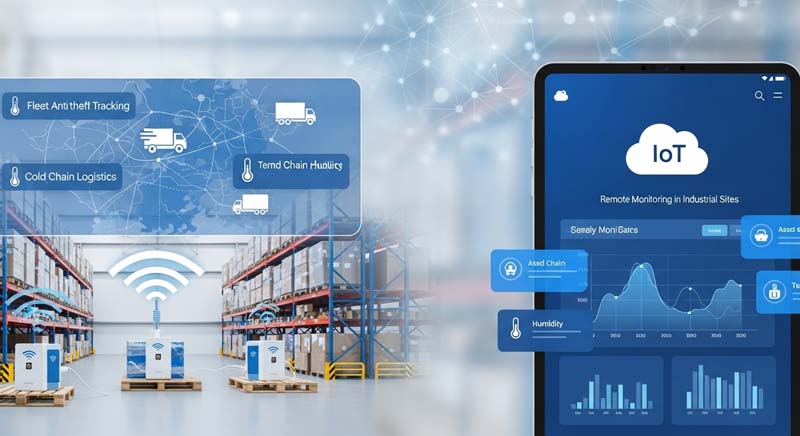
Moreover, the opportunity extends beyond hardware. Enterprises increasingly need end-to-end solutions, not isolated products. They want deployment support, system integration, visual dashboards, alarm mechanisms, and ongoing service. Therefore, the market is shifting from one-time project delivery to long-term operation and value optimization.
This trend favors companies that combine communications expertise with domain knowledge. It also favors providers that can deliver stable performance across real business scenarios. In short, Shanghai Intelligent IoT Connectivity will likely reward execution capability as much as technical capability.
Key Implementation Challenges to Watch
Strong targets can drive momentum, but execution quality determines long-term results. Shanghai will need to address several practical challenges as deployment expands.
First, interoperability remains a major issue. Different devices and systems often use different protocols and data formats. Without clear standards, large networks can become fragmented.
Second, security must remain a top priority. As sensing density rises, risks also increase. Network security, device security, and data security all require coordinated governance.
Third, project economics matter. High connection numbers alone do not guarantee real value. Enterprises and city operators need clear ROI, stable operations, and repeatable success models. Therefore, practical use cases and measurable outcomes should guide the next stage of deployment.
A Strategic Signal for the Future of IoT
Shanghai’s latest action plan sends a clear message to the market. Future urban competitiveness will depend on integrated sensing, robust connectivity, and intelligent coordination. Cities will need infrastructure that supports both scale and responsiveness.
Against this backdrop, Shanghai Intelligent IoT Connectivity stands out as a strategic model for how a major city can move from digital construction to operational intelligence. It offers valuable reference points for smart city planners, IoT enterprises, and industry partners.
Finally, companies with deep experience in wireless communications and IoT implementation will have an important role in this transition. EELINK Communication is a good example. The company focuses on applying wireless communication technologies to IoT and has over 20 years of experience in IoT hardware and software R&D and manufacturing.
Its solutions cover remote monitoring platforms for temperature and humidity, as well as services for asset management, vehicle anti-theft, insurance-related applications, and cold chain transportation management. By continuing to innovate and solve real customer needs, EELINK Communication provides efficient and reliable IoT solutions that help create practical value in an increasingly connected world.
- Contact EELINK
 Globalsales@eelink.com.cn
 tan3051_1
 +86 18218746415
- NEWSLETTER
- Getting the latest GPS devices news From Eelink.
- SUBSCRIBE